
Plantations in Louisiana That Focus on Telling the True History of the South
If you’re visiting Louisiana, make sure to check out my complete Louisiana Travel Guide.
Table of Contents
Not all plantation tours are the same.
Some still focus primarily on architecture and the lives of the plantation owners, while others have made a deliberate effort to shift the narrative toward the people whose labor built and sustained these estates.
If you choose to visit plantations in Southern Louisiana, I encourage you to seek out sites that are actively working to present the full historical story, even when that story is uncomfortable.
Out of the six plantations I visited during my time exploring the Louisiana River Parishes, there is one I personally toured that I feel comfortable recommending, along with two others that members of my travel writer group visited and strongly recommended for their historical focus and honesty.
These plantations are working to shift the narrative away from romanticized “Old South” imagery and toward a more accurate understanding of life on these estates.
Oak Alley Plantation
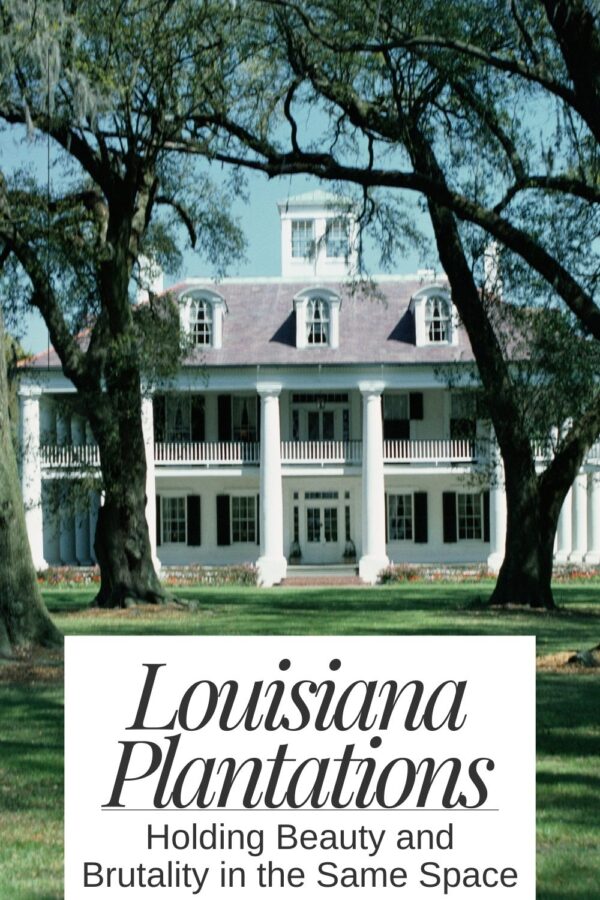
Oak Alley is the plantation most people picture when they think of the South. Its famous alley of live oak trees stretching toward the main house is one of the most photographed scenes in Louisiana. You would probably recognize this plantation from Interview with a Vampire or the iconic imagery from Gone with the Wind.
The property is undeniably beautiful…grand columns, sweeping verandas, and centuries-old oak trees that create a breathtaking approach to the home.
But what makes Oak Alley worth visiting is the way the story is presented.
Today the plantation is operated by a nonprofit organization, and the narrative has shifted to acknowledge the enslaved people whose labor built and sustained the estate. Exhibits and restored slave quarters help visitors better understand the realities of life on the plantation, making it clear that the beauty of the property exists because of the forced labor that took place there.
Laura Plantation
Although I did not personally tour Laura Plantation, several members of my group did and spoke highly of the experience.
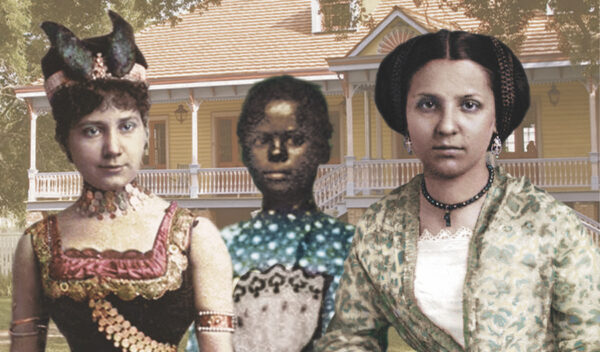
Laura Plantation focuses heavily on the Creole history of the region and tells the story of Laura Locoul, the woman who once ran the plantation. The tour also incorporates the stories of the enslaved people who lived and worked there, creating a more layered narrative that explores both the cultural and social dynamics of plantation life in Louisiana.
Visitors consistently described the tour as thoughtful, historically grounded, and deeply educational.
Whitney Plantation
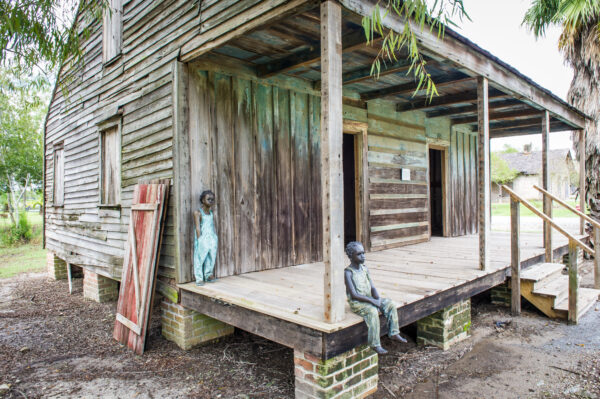
Whitney Plantation is unlike any other plantation museum in the United States.
Rather than centering the architecture or the plantation owners, Whitney is dedicated entirely to the lives and experiences of enslaved people.
Through powerful memorials, first-person narratives, and immersive exhibits, the site tells the story of slavery with honesty and depth. The experience is emotional, sobering, and intentionally heavy… but it is also one of the most important historical sites in Louisiana for understanding the true realities of slavery in America.
Why Visiting Plantations Can Be an Important Learning Experience
Travel can be one of the most powerful ways to learn history.
Standing in the places where history happened creates a deeper understanding than reading about it in a textbook. But visiting places like plantations requires a thoughtful and respectful approach.
These are not simply historic homes.
They are sites where enslaved people lived, worked, and endured unimaginable hardship. The stories told at these places should never ignore that reality.
When plantations acknowledge the full history… the beauty of the architecture alongside the brutality that made it possible… they become powerful educational spaces.
For families, students, and travelers who value learning through travel, visiting historically responsible sites can open important conversations about American history, resilience, and the ongoing work of telling the truth about our past.
The beauty of these places may draw people in, but it is the truth of their history that should stay with us long after we leave.
How the Louisiana River Parishes Are Reframing Plantation Tourism
For many years, the stretch of communities along the Mississippi River between Baton Rouge and New Orleans was promoted as “Plantation Country.”
Today, the region is working to reshape how that history is presented.
Tourism leaders in the Louisiana River Parishes have intentionally shifted the focus away from romanticized plantation imagery and toward a broader, more honest story about the area’s history and culture.
The region now highlights a variety of experiences beyond plantations, including local cuisine, historic towns, cultural heritage, and the natural beauty of the Mississippi River corridor. While plantations are still part of the landscape and history of Southern Louisiana, there is a growing effort to ensure those stories are told with historical accuracy and respect.
Several plantation sites have also begun working with historians to better represent the lives of the enslaved people who lived and worked there. In some cases, tours have been rewritten, exhibits updated, and memorial spaces created to center voices that were historically ignored.
This shift doesn’t erase the painful past of plantation life. Instead, it acknowledges that history more fully and encourages visitors to learn from it.
The goal is not to romanticize these properties, but to use them as places of education, reflection, and historical understanding.
Tips for Visiting Plantations Respectfully
If you choose to visit plantations while traveling in Southern Louisiana, it’s important to approach the experience thoughtfully.
These sites are not just historic homes — they are places where enslaved people lived, worked, and endured tremendous hardship.
Here are a few ways to visit responsibly:
Choose plantations that prioritize historical accuracy
Look for sites that center the lives of enslaved people and work with historians to present a full and honest narrative.
Take the time to read the exhibits
Many plantations now include museums, memorials, and interpretive displays that provide important context beyond the main house tour.
Listen to the difficult stories
The history shared at these sites can be uncomfortable, but those stories are an essential part of understanding American history.
Avoid romanticizing the setting
While the architecture and landscapes may be beautiful, it’s important to remember the human cost behind that beauty.
Use the experience as a learning opportunity
For families and travelers interested in educational travel, plantations can provide meaningful conversations about history, resilience, and the ongoing work of telling the truth about the past.
Visiting plantations should never feel like simply touring a historic mansion. When approached with intention and respect, these places can become powerful spaces for learning and reflection.